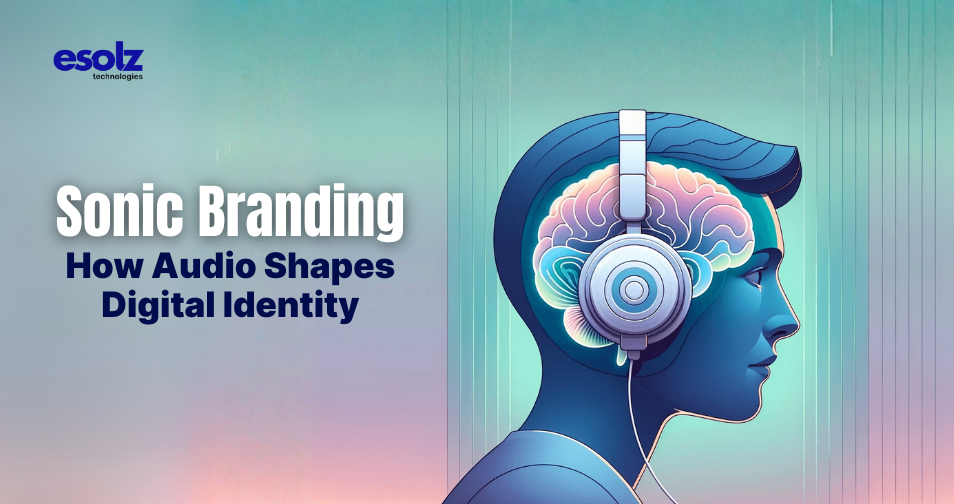
Think about the sound that plays when you open your favorite streaming app or the familiar chime of a notification from your smartphone. These short, distinctive sounds are not accidental; they’re carefully designed to trigger recognition, emotion, and trust. This is the power of sonic branding, a strategy that’s rapidly redefining how businesses connect with audiences in the digital world.
As more interactions happen through voice assistants, mobile apps, and digital platforms, sound has become as important as visuals in shaping brand identity. For business owners looking to strengthen their presence and stand out in a crowded market, sonic branding offers an entirely new way to engage customers through the language of sound.
Let’s explore what sonic branding is, why it matters, how it works, and how businesses can use it to craft a stronger digital identity.
What Is Sonic Branding?
Sonic branding (also known as audio branding) refers to the strategic use of sound to express a brand’s personality, values, and identity. It includes all forms of branded audio—from short sound logos and jingles to background music, voice tones, and even the sound effects used in digital interactions.
Just as logos, colors, and typography create a visual identity, sound helps brands establish an auditory identity that resonates emotionally with their audience. Whether it’s the iconic Netflix “ta-dum,” Intel’s five-note jingle, or the Mastercard acceptance sound, sonic branding creates familiarity and emotional connection within seconds.
For digital businesses, this approach is no longer optional—it’s a competitive advantage that enhances recognition, recall, and customer loyalty.
Why Sonic Branding Matters in the Digital Age
As consumers spend more of their time in digital environments, scrolling through apps, streaming content, and interacting with smart devices, brands are faced with the challenge of cutting through overwhelming visual noise. In this fast-paced landscape, sound has emerged as a powerful differentiator, capable of evoking emotion, reinforcing brand identity, and creating lasting impressions.
Sonic branding isn’t just about catchy jingles or sound effects; it’s about using audio strategically to communicate who you are as a brand. Below are five compelling reasons why every business should start building its own sonic identity.
Instant Recognition and Recall
In the digital age, attention spans are shorter than ever, and brands only have a second to make an impact. Research shows that people can recognize a familiar sound logo in under one second, a speed that outpaces visual recognition. This makes sound one of the most efficient tools for capturing and retaining consumer attention.
Think about how a simple sound immediately brings certain brands to mind, perhaps a streaming platform’s opening tone or a tech company’s device startup sound. These brief audio cues cut through distractions and establish familiarity instantly.
For businesses, this level of immediate recall is invaluable. It means that even when users are multitasking or not actively looking at your brand, your sound still connects with them, building recognition and trust subconsciously.
Emotional Connection with the Audience
Sound is one of the most emotionally powerful elements in human perception. Certain tones and rhythms can evoke joy, calm, nostalgia, or excitement, allowing brands to create emotional resonance in a way visuals alone cannot.
A study on user experience found that sound can influence mood and memory retention significantly, which is why brands that invest in audio identity often see stronger emotional connections with their customers.
Consider how a fintech app might use subtle, confident tones to convey security and trust, or how a wellness app could employ soft, soothing sounds to calm users. These small auditory details shape how people feel during interactions, turning functional moments into emotional experiences.
By weaving emotion into digital touchpoints through sound, businesses can humanize their technology and make their experiences more memorable.
Differentiation in a Saturated Market
Today’s digital marketplace is crowded, with thousands of brands competing for consumer attention across similar channels. In this environment, standing out visually can be challenging. But sound provides a powerful opportunity for multi-sensory differentiation.
A unique sonic identity helps businesses express personality and tone, whether modern and minimalistic, warm and inviting, or energetic and bold. This adds depth to brand storytelling, giving consumers a richer, more immersive experience.
For example, a luxury brand might opt for elegant, orchestral tones to convey sophistication, while a gaming brand might use dynamic, bass-driven beats to communicate excitement and action. When done right, sonic branding becomes an extension of your brand’s voice, making it instantly distinguishable across platforms.
Consistency Across Touchpoints
As brands expand across various digital platforms—apps, social media, video content, podcasts, and even smart speakers—maintaining consistency becomes crucial. Sonic branding offers a seamless way to unify your brand’s presence through sound.
A consistent auditory experience helps reinforce recognition and strengthens the connection between brand and consumer. Whether a customer interacts with your brand through a mobile app notification, a YouTube ad, or a voice assistant, the familiar sound creates continuity and trust.
Data shows that companies that maintain both visual and sonic consistency experience engagement rates up to 30% higher than those relying solely on visuals. In essence, a well-crafted sonic identity acts as the auditory glue that holds a brand’s digital ecosystem together.
Enhancing Accessibility
Inclusivity is no longer optional; it’s a necessity. For users with visual impairments or cognitive challenges, sound plays a crucial role in improving digital accessibility.
Thoughtful sonic design, such as distinct tones for navigation cues, notifications, or confirmations, can guide users intuitively through digital interfaces. These sound elements not only improve usability but also make digital platforms more welcoming and inclusive.
By prioritizing accessibility through sound, businesses demonstrate empathy and social responsibility, values that modern consumers deeply appreciate. It also ensures a smoother user experience for everyone, not just those with disabilities.
How Sonic Branding Shapes Digital Experiences
Sonic branding is no longer just a marketing tool—it has become a vital part of user experience (UX) across digital platforms. Thoughtfully designed audio can guide users, reinforce brand identity, and create emotional resonance at every touchpoint. By integrating sound strategically, businesses can make digital interactions more engaging, memorable, and human.
Here’s how sonic branding enhances various points along a customer’s digital journey:
Mobile Apps and Notifications
In mobile apps, sound serves as an essential feedback mechanism. Confirmation tones, alerts, and subtle notifications guide users, making interactions feel responsive and intuitive.
For example, when a user completes a purchase, a brief, pleasant tone can provide instant reassurance, reinforcing the sense of accomplishment. Well-crafted audio cues also increase engagement, encouraging users to explore more features and return to the app. By turning routine interactions into moments of delight, businesses can deepen user satisfaction and loyalty.
Voice Assistants and AI Interfaces
With the rise of voice and AI-enhanced navigation technologies such as Alexa, Siri, and Google Assistant, voice has become a primary interface for digital interactions. For brands, this means that sonic identity extends beyond music or jingles; it now encompasses the tone, pacing, and personality of voice interactions.
A carefully designed brand voice can convey trust, reliability, and friendliness, influencing how users perceive the company. For instance, a healthcare app using a calm, reassuring tone can help build confidence in sensitive situations, while a financial service might adopt a precise and authoritative voice to communicate credibility. Sonic branding in voice interfaces ensures consistency and emotional resonance, even without visuals.
Video Marketing and Podcasts
Audio plays a pivotal role in content marketing, particularly in video ads and podcasts. Signature sound elements, such as intro jingles or background scores, help establish brand recognition and continuity across campaigns.
When viewers hear a familiar tune or motif, it immediately triggers brand recall, enhancing the effectiveness of campaigns. Consistent audio cues create a cohesive narrative, making the brand more memorable and reinforcing emotional engagement across multiple platforms.
Websites and E-Commerce Platforms
Sonic branding can also improve websites and e-commerce branding. Integrating subtle ambient sounds, such as gentle navigation tones or satisfying transaction confirmations, makes digital interactions more immersive.
These sound cues reduce cognitive load, helping users navigate complex websites smoothly. They also increase time-on-site and interaction rates, as users are more likely to explore and engage when their senses are subtly guided. Properly designed sound in digital interfaces transforms ordinary browsing into a more engaging and memorable experience.
Customer Support and IVR Systems
Even automated phone systems benefit from sonic branding. Traditionally, IVR systems relied on robotic voices and monotone prompts, but modern businesses are adopting humanized, emotionally resonant audio.
By carefully designing tone, pacing, and background music, brands can create a welcoming and professional auditory environment. This approach improves customer satisfaction, reduces perceived wait times, and reinforces brand personality, turning even routine support interactions into a positive brand experience.
How Businesses Can Build Their Sonic Identity
Creating a strong sonic identity is no longer just an option; it’s a strategic necessity for businesses aiming to stand out in the digital age. Unlike traditional marketing campaigns, sonic branding doesn’t require a massive budget; it relies on clarity, creativity, and consistency. By approaching audio as a deliberate element of your brand, you can make every interaction memorable and emotionally resonant.
Here’s a step-by-step approach for business owners ready to explore the power of sound branding:
Define Your Brand Personality
The first step in sonic branding is understanding your brand’s tone and emotion. What personality traits define your business? Are you bold, futuristic, and energetic? Or warm, trustworthy, and calming?
Your audio identity should mirror these qualities just as precisely as your logo, color palette, and typography. For instance, a luxury brand might choose elegant, orchestral tones to convey sophistication, while a tech startup could adopt upbeat, digital-inspired sounds to communicate innovation. Clearly defining your sonic personality ensures that every sound element reinforces your brand consistently.
Audit Existing Touchpoints
Before creating new audio elements, assess where your brand currently uses sound. This includes apps, videos, notifications, podcasts, and events. Identify inconsistencies or areas where your brand could benefit from a more cohesive auditory presence.
Auditing existing touchpoints helps ensure that new audio elements complement what’s already in place and create a unified experience across platforms. It’s also an opportunity to spot gaps where sonic branding can enhance engagement and recognition.
Work with Audio Branding Experts
Crafting a compelling sonic identity often requires expertise in sound design and psychology. Partnering with professionals who provide digital marketing services and specialize in audio branding ensures that your brand’s audio elements are both high-quality and strategically aligned.
Experts can create sonic logos, UI sounds, background scores, and voice tones tailored to your brand personality. They can also advise on frequency, tempo, and tone to evoke specific emotions, ensuring your sound communicates effectively without overwhelming users.
Test and Iterate
Sonic branding, like visual branding, is an iterative process. Launching audio elements without testing can risk misalignment with user expectations or emotional impact.
Use real user feedback to evaluate whether your tones, melodies, or sound effects evoke the desired emotions and reinforce brand perception. Adjustments can involve minor tweaks to pitch, tempo, or layering, ensuring your sonic identity consistently resonates with your target audience.
Maintain Consistency Across Platforms
Once your sonic identity is finalized, consistency is key. Every touchpoint—from mobile apps and websites to video content, ads, and events—should incorporate your defined audio elements.
Consistent use of sound strengthens recognition and builds trust over time. Customers begin to associate specific tones, jingles, or voice cues with your brand, creating long-lasting recall and a more cohesive digital presence.
Summing Up
Sonic branding is no longer a luxury reserved for global corporations; it’s an essential tool for any business aiming to build a lasting digital identity. In a world overflowing with visuals, sound offers a direct path to emotion, memory, and recognition.
By investing in sonic branding today, business owners can create richer, more human digital experiences—ones that resonate long after the screen goes dark.
Your brand already has a visual identity and a distinct voice. Now, it’s time to give it a sound that people will never forget.