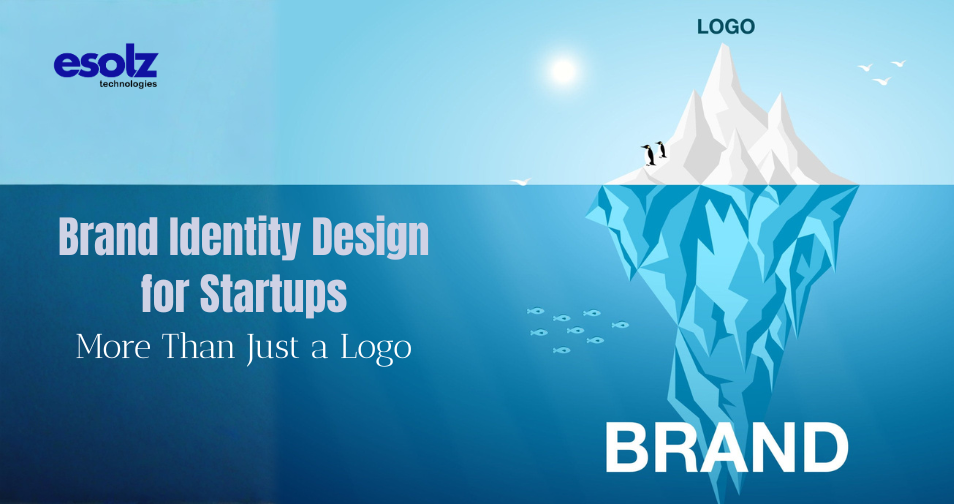
In today’s crowded digital marketplace, a logo alone cannot carry the weight of a brand. With consumers exposed to thousands of brand messages daily, recognition is no longer the goal—connection is. This is where brand identity design for startups becomes a powerful differentiator. A compelling brand identity extends far beyond just its visual elements. It defines how a brand speaks, behaves, and makes people feel. Studies show that consistent brand presentation can increase revenue by up to 23%, proving that identity is not just creative—it’s strategic.
What Is Brand Identity Design Really About?
Brand identity design for startups is the complete visual and emotional representation of the startup. It includes everything from logos and color palettes to typography, messaging tone, and user experience. But more importantly, it answers critical questions:
- What does the brand stand for?
- How should it be perceived?
- Why should anyone trust it?
When these elements align, a brand becomes memorable, recognizable, and relatable—qualities that are essential in early-stage growth.
Why Startups Need More Than Just a Logo
In the early stages, branding decisions often revolve around creating a logo. It feels like the most visible and immediate way to establish presence. However, in a market where attention spans are short and competition is intense, a logo alone cannot carry the entire brand story. What truly makes an impact is how consistently and clearly that story is communicated across every touchpoint.
The Limitation of a Logo Alone
A logo represents only a small part of your brand. While it acts as a visual symbol, it cannot communicate the full story. It doesn’t explain what the brand stands for, how it delivers value, or why it should be trusted. Without supporting elements, even a well-designed logo can feel incomplete and fail to leave a lasting impression.
The Impact of Visual Perception on Credibility
Consider this: nearly 75% of consumers judge a company’s credibility based on its visual design. This highlights how important it is to move beyond a standalone logo. When there is no cohesive identity backing it, the brand can appear inconsistent or unprofessional, which weakens trust and reduces the chances of engagement.
The Power of a Complete Identity System
A complete brand identity system brings structure and clarity. It ensures consistency across platforms, allowing the brand to look and feel the same whether it appears on a website, social media, or marketing materials. It also defines clear positioning, helping audiences understand what makes the brand unique. Most importantly, it creates emotional engagement, turning casual viewers into loyal supporters.
The Risk of Incomplete Branding
Without a well-defined identity system, even the most innovative ideas can struggle to gain traction. A lack of consistency and clarity can confuse audiences, making it harder for them to connect or remember the brand. In a competitive space, this can result in missed opportunities and slower growth.
Building Trust Through Consistency
To create brand identity design for startups, consistency is one of the most underestimated aspects, yet it plays a crucial role in building trust. Every interaction, whether it’s a website visit, a social media post, or an advertisement, should reflect the same visual and messaging style. This uniformity reassures audiences and reinforces brand identity over time.
The Link Between Consistency and Trust
Brands that maintain consistency across all channels can see up to 33% higher customer trust levels. This trust directly influences decision-making, making people more likely to choose and stay loyal to a brand they recognize and feel confident about.
Creating Familiarity Through Repetition and Clarity
Consistency is not about repeating the same design endlessly—it’s about creating clarity. When audiences instantly recognize a brand through its colors, tone, or style, it builds familiarity. Over time, this familiarity turns into confidence, and confidence drives long-term relationships.
Turning Recognition Into Loyalty
When a brand is consistently presented, it becomes easier for audiences to remember and relate to it. This recognition reduces hesitation during decision-making and strengthens emotional connections. Ultimately, consistency transforms branding from a visual exercise into a powerful tool for sustained growth.
The Role of Storytelling in Brand Identity
A strong brand identity design for startups is not built on products alone—it is built on perception, emotion, and connection. Storytelling emerges as a vital tool in conveying a brand’s message. It gives depth to a brand identity, allowing it to move beyond visuals and create meaningful relationships that resonate over time.
Why Stories Create Stronger Connections
Audiences don’t engage with products—they engage with the stories behind them. A compelling narrative helps communicate purpose, values, and vision in a way that feels human and relatable. Instead of simply presenting features, storytelling creates an emotional bridge that draws audiences in and keeps them engaged.
Integrating Storytelling Into Brand Identity
A well-crafted brand identity weaves storytelling into every element. This includes a distinct brand voice that reflects personality, visual elements that symbolize deeper meaning, and messaging that speaks directly to audience needs and aspirations. When all these components align, the brand feels consistent, authentic, and memorable.
Turning Engagement Into Preference
Startups that effectively communicate their story can increase customer engagement by over 50%. A strong narrative transforms a brand from just another option into a preferred choice. It gives people a reason to care, trust, and stay connected beyond a single interaction.
Visual Identity: More Than Just Aesthetic Appeal
Visual identity is often seen as the most visible aspect of branding, but its impact goes far beyond appearance. Every design choice influences how a brand is perceived, shaping opinions within seconds of interaction.
The Psychology Behind Design Elements
Colors, fonts, and design elements are not just creative decisions—they carry psychological meaning. Colors can evoke emotions and improve brand recognition by up to 80%, while typography influences whether a brand feels modern, professional, or approachable. These subtle cues play a major role in how a brand is interpreted.
Design as a Driver of User Behavior
Layout and overall design directly affect user experience. A clean, intuitive design can guide users effortlessly, while a cluttered or inconsistent one can create friction. This, in turn, impacts engagement and conversion rates, making design a critical factor in performance, not just presentation.
Creating a Cohesive Visual Presence
A well-designed visual identity ensures that every element works together seamlessly. From digital platforms to marketing materials, consistency in design creates a unified presence that strengthens recognition and builds trust over time.
Brand Identity and Customer Experience
Brand identity does not end with visuals—it extends into every interaction. The way a brand communicates, responds, and delivers value all contribute to the overall experience, shaping how it is perceived in the long run.
Extending Identity Beyond Design
From the first point of contact to post-purchase communication, every touchpoint should reflect the brand’s personality. Whether it’s a website interface, customer support interaction, or email communication, consistency in tone and experience reinforces the brand’s identity.
The Impact on Retention and Loyalty
A seamless and well-aligned experience can increase customer retention rates by up to 60%. When interactions feel smooth, intuitive, and aligned with expectations, it builds trust and encourages long-term relationships.
Creating a Memorable Brand Journey
When branding aligns with user experience, it creates a journey that feels natural and engaging. This consistency not only attracts attention but also sustains it, turning one-time interactions into lasting connections and driving continuous growth.
Differentiation in a Competitive Market
In a saturated market, simply existing is not enough—standing out is what drives growth. With multiple options available for every product or service, differentiation becomes a critical factor in capturing attention and influencing decisions. A strong brand identity acts as the foundation for creating that distinction.
Standing Out Beyond Features and Pricing
Competing on features or pricing alone is no longer sustainable. A well-defined brand identity highlights what makes a business unique, helping it rise above the noise. It communicates value in a way that is clear, compelling, and easy to remember, making it easier for audiences to choose one brand over another.
Defining a Unique Market Position
A strong identity helps establish a distinct position in the market. It clarifies what the brand stands for and how it differs from competitors. This clarity not only improves recognition but also strengthens the overall perception, allowing the brand to occupy a specific space in the minds of its audience.
Reducing Price Sensitivity Through Branding
When a brand is perceived as unique and valuable, price becomes less of a deciding factor. Instead of comparing costs, audiences focus on the experience, trust, and connection the brand offers. This shift can significantly improve profitability and long-term sustainability.
The Power of Shared Values
Research shows that 64% of consumers choose brands based on shared values. This highlights the importance of aligning brand identity with beliefs and expectations. When audiences feel connected to what a brand represents, they are more likely to engage, trust, and remain loyal over time.
The Strategic Advantage of Professional Branding
Building a strong brand identity requires more than creativity—it demands strategy, insight, and expertise. This is where professional branding plays a crucial role in accelerating growth and ensuring long-term success.
Aligning Branding With Business Goals
Working with the best digital marketing agency ensures that every aspect of the brand is aligned with broader business objectives. Instead of focusing only on visuals, the approach becomes strategic, ensuring that branding supports growth, positioning, and customer acquisition.
Leveraging Expertise and Market Insights
An experienced team brings a deep understanding of market positioning, audience psychology, and evolving design trends. This knowledge helps create a brand identity that resonates with the right audience while staying relevant in a constantly changing landscape.
Creating Impact Beyond Aesthetics
Professional branding goes beyond making a brand look attractive. It focuses on usability, clarity, and engagement, ensuring that every element contributes to a seamless experience. The result is a brand identity that not only captures attention but also drives meaningful interactions and conversions.
Avoid These Common Branding Mistakes
While building a brand identity, it’s easy to focus on immediate needs and overlook long-term strategy. However, certain common mistakes can limit the effectiveness of branding efforts and slow down growth.
Treating Branding as a One-Time Activity
One of the biggest mistakes is viewing branding as a one-time task. In reality, brand identity evolves with time, market trends, and audience expectations. Failing to adapt can make a brand feel outdated or disconnected.
Inconsistency Across Touchpoints
Using inconsistent visual elements across platforms can confuse audiences and weaken recognition. A lack of uniformity disrupts the brand experience and reduces trust, making it harder to build a strong presence.
Lack of Clear Messaging
Without clear and consistent messaging, even the best visuals can fall flat. When audiences struggle to understand what a brand represents, it becomes difficult to create meaningful connections or drive engagement.
Ignoring Audience Perception
Branding should always be audience-centric. Ignoring how a brand is perceived can lead to misalignment, where the intended message does not match audience expectations. This gap can impact both credibility and growth.
Overcomplicating the Design
Complex designs can dilute the message and make the brand harder to remember. Simplicity, when executed well, creates clarity and strengthens recognition.
Avoiding Costly Setbacks
By recognizing and avoiding these common pitfalls, businesses can save valuable time and resources. More importantly, it ensures that branding efforts remain effective, consistent, and aligned with long-term goals.
Wrapping Up
Brand identity design for startups is not just about aesthetics—it is about creating a meaningful and lasting impression that directly influences growth. A well-defined identity shapes how a brand is perceived, how it connects with its audience, and how effectively it stands out in a competitive market. It becomes the foundation for building recognition, establishing trust, and creating a distinct position that goes beyond products or services.
For startups, this foundation plays an even more critical role. In the early stages, every interaction matters, and a strong, consistent identity helps create credibility from the very beginning. It ensures that the brand is not only seen but also remembered, making it easier to build relationships and drive engagement over time. And in this process, having a digital marketing agency in your arsenal is a must.
Investing in brand identity design for startups should be viewed as a strategic decision rather than an expense. It sets the direction for long-term success by aligning visuals, messaging, and experience into a cohesive system. When done right, brand identity transforms a business from just another option in the market into a recognizable and trusted name that people choose with confidence.